
Addressing Water Issues Before Finishing Basements
Basement Remodeling in Milaca for lower levels showing signs of seasonal water intrusion
Minnesota moisture control in basements requires understanding seasonal water table changes that affect foundation walls and floor slabs differently throughout the year. Visual water inspection during the initial estimate identifies staining patterns on concrete, efflorescence indicating mineral deposits from moisture migration, and evidence of previous water entry around floor drains or wall seams. JDA Builders evaluates these conditions before basement finishing begins in Milaca, ensuring that moisture management techniques are applied where needed rather than covering problems with drywall and flooring that will fail within months.
Basement finishing transforms below-grade space into functional living area, but only if moisture sources are addressed first. The process includes identifying water entry points, installing appropriate barriers and drainage, framing walls with moisture-resistant materials, and selecting finishes that tolerate occasional humidity exposure. Foundation challenges in Minnesota stem from soil expansion during freeze-thaw cycles, groundwater pressure against walls during spring snowmelt, and condensation when cool concrete meets humid summer air.
Request a visual water inspection to identify whether your basement requires moisture remediation before finishing work can proceed.
How Foundation Conditions Affect Finishing Approaches
Basement moisture management involves more than just sealing walls and installing a vapor barrier. Water table behavior determines whether sump pump systems need capacity upgrades. Soil type around the foundation affects whether exterior drainage requires regrading. Concrete porosity influences whether interior sealers will perform adequately or if membrane systems are necessary. Each basement presents different moisture variables based on age, construction methods, and site drainage patterns that have developed over years.
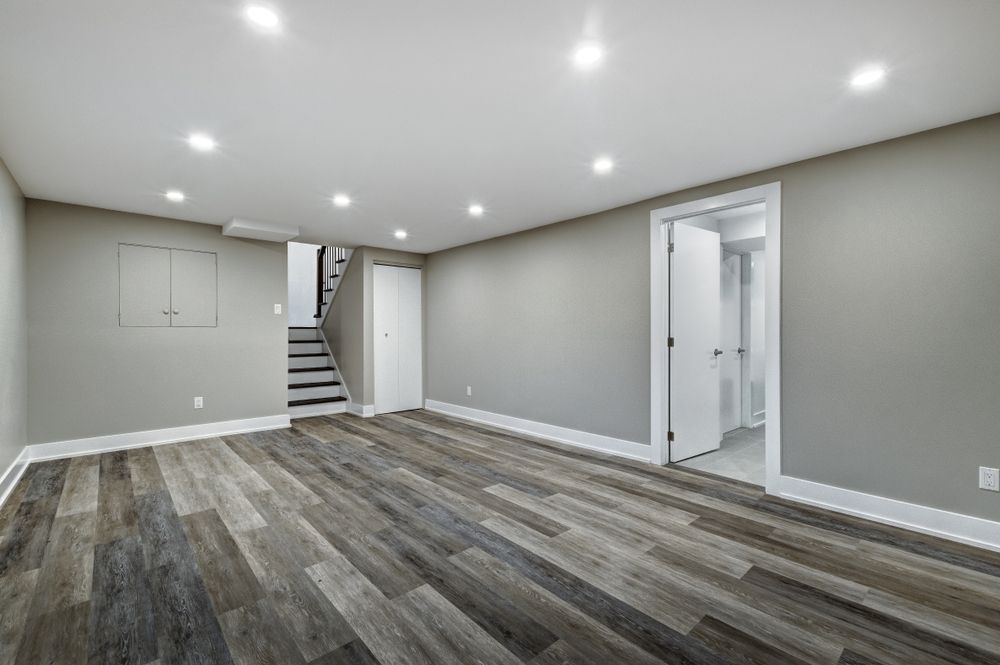
Once finishing is complete, you'll notice consistent temperature and humidity levels rather than the musty smell that indicates ongoing moisture problems. Walls remain straight without bowing or cracking as framing materials stay dry. Flooring stays flat without buckling or edge lifting caused by moisture vapor pushing up through concrete slabs. These outcomes depend on correct moisture assessment during the planning phase, not just quality installation during finishing.
Hands-on experience with basement remodeling prevents costly moisture problems by recognizing early warning signs that less experienced contractors miss. Thirty years of construction experience means knowing which staining patterns indicate active water entry versus old problems that were previously resolved, and which foundation cracks require structural attention versus normal concrete settling.
Questions Before Starting Your Basement Project
Finishing basement space involves moisture evaluation, material selection, and installation techniques adapted to below-grade conditions.
What does visual water inspection reveal about basement conditions?
Inspection identifies concrete staining patterns that show where water has entered previously, efflorescence indicating active moisture migration, floor drain function, and sump pump capacity—providing evidence of moisture behavior that affects finishing material selection and installation methods.
How does Minnesota's water table affect basement finishing decisions?
Spring snowmelt raises groundwater levels significantly, creating pressure against foundation walls and floor slabs that can force water through cracks or porous concrete if drainage systems are inadequate—requiring evaluation during wet seasons to understand true moisture risk.
What framing materials handle basement humidity better than standard wood?
Steel studs resist moisture damage and don't provide organic material for mold growth, while pressure-treated lumber at floor contact points prevents rot if minor water exposure occurs—both options perform better than standard framing in below-grade environments.
When should basement finishing be delayed for moisture remediation?
Active water entry through foundation cracks, persistent dampness on walls or floors, or sump pump systems that run continuously during dry weather all indicate that moisture problems need resolution before finishing materials are installed over them.
Why do some finished basements develop problems within months while others last decades?
Moisture assessment before finishing determines long-term performance—basements finished without addressing water entry or vapor transmission experience drywall damage, flooring failure, and mold growth, while properly evaluated spaces remain dry and functional.
JDA Builders provides free estimates that include basement moisture evaluation and recommendations for addressing water concerns before finishing begins. Schedule a basement inspection to determine whether your space is ready for finishing or requires moisture management first.