Separate Living Units Built to Code
ADUs in Brainerd for property owners adding rental income or family housing with full utility separation
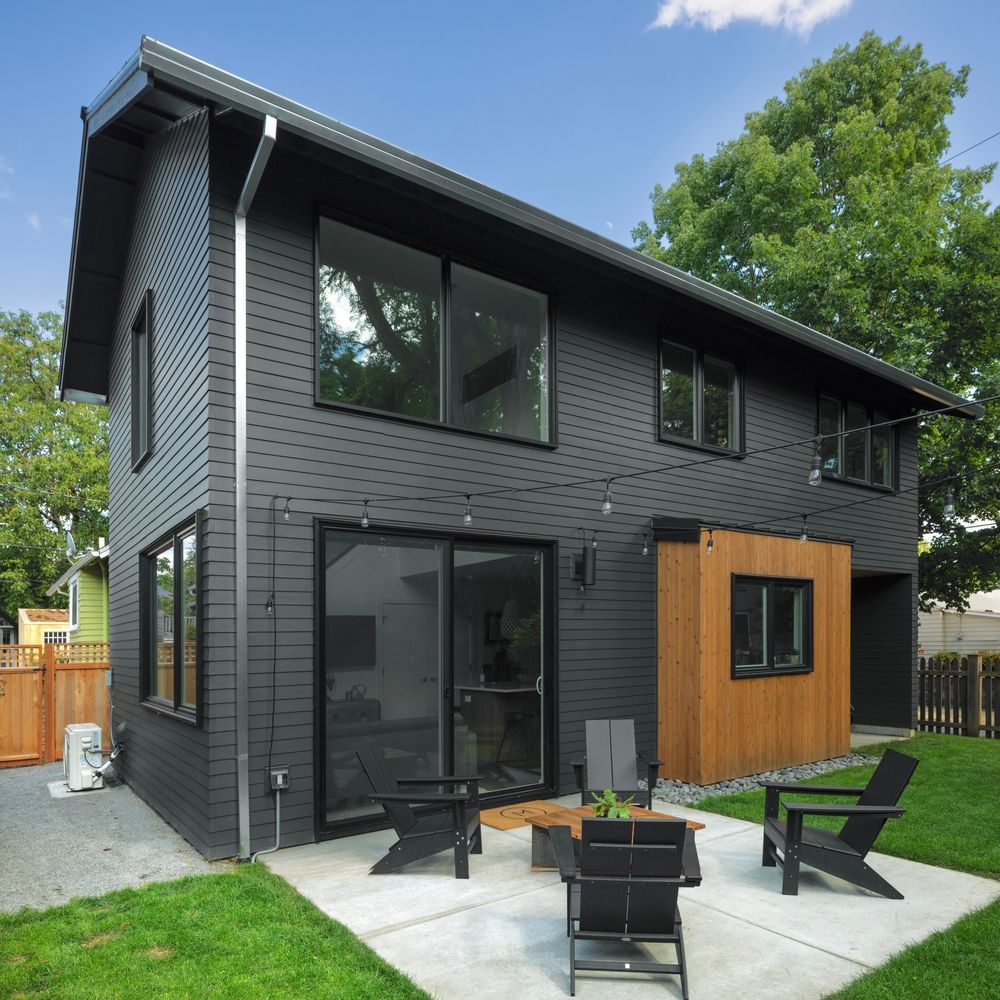
Changing regulations in Minnesota counties are opening opportunities to add accessory dwelling units that function as completely independent residences, but construction requires navigating code compliance for everything from egress requirements to utility installations. You need separate electrical panels, water lines, and sewage connections that allow the ADU to operate independently from the main house, plus documentation that satisfies permit reviewers and final inspections. JDA Builders manages ADU projects in Brainerd and surrounding counties where regulations are loosening, handling full project oversight from initial permit applications through the final inspection that allows occupancy.
This service involves more than building a small structure in your backyard—it requires understanding current code requirements that vary by jurisdiction, installing utilities that meet standards for separate dwelling units, and coordinating inspections at each construction phase. The difference between a permitted ADU and an unpermitted outbuilding shows up when you try to rent the space or sell your property.
Request a free estimate to discuss your property's suitability for ADU construction and current regulatory requirements in your area.
What Separate Utility Installation Involves
Building an ADU means installing a dedicated electrical panel fed from the main service or a separate meter, running water supply lines that can be shut off independently, and connecting to sewage systems with properly sized lines and venting. Each utility installation must meet code requirements for dwelling units, not just accessory structures, which means different standards for wire sizing, panel capacity, plumbing fixture counts, and sewage flow rates. Permit reviewers examine plans for egress window sizing, ceiling heights, emergency escape routes, and the dozens of other requirements that distinguish legal dwelling units from storage buildings with electricity.
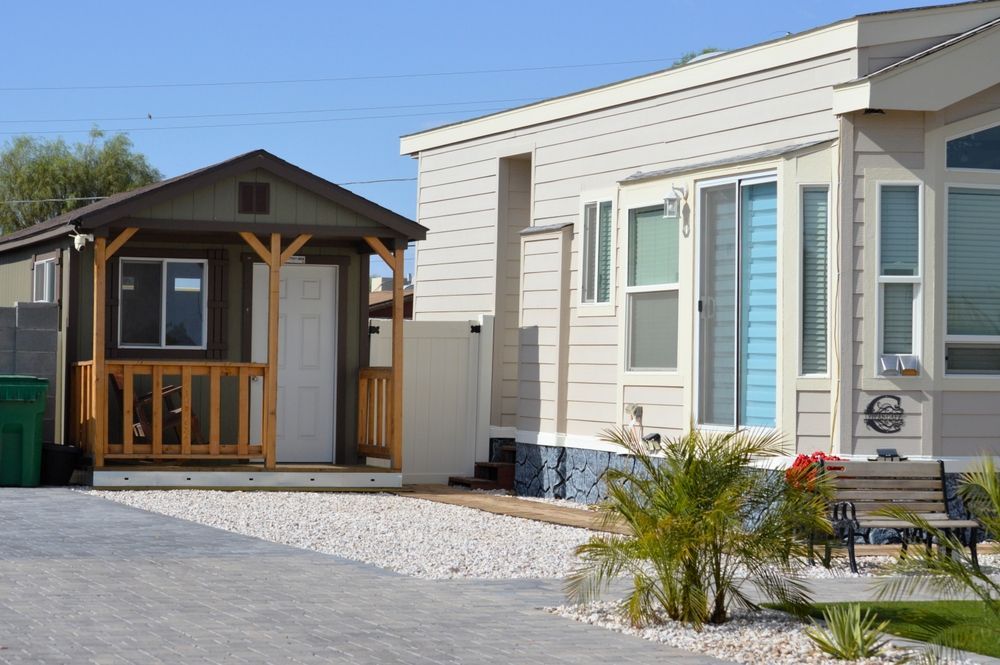
After construction and final inspection approval, you have a structure that can be legally occupied and rented, with utility systems that function independently and meet the same standards as any other residential building. The electrical panel handles normal household loads including heating and cooling without overloading circuits, plumbing provides adequate water pressure and drainage, and the space meets life safety codes for occupancy. What you've added is genuine rental income potential or family housing, not just additional square footage that can't be legally occupied.
Licensed and insured construction means the work is completed to standards that satisfy code officials, and owner-operated project management ensures that someone with decision-making authority is present to address inspector questions or required modifications. There's no confusion about who's responsible when regulatory issues arise.
What Property Owners Usually Ask
Property owners exploring ADU construction want to understand the regulatory landscape and what distinguishes legal dwelling units from other structures.
What regulations currently apply to ADUs in Brainerd and surrounding counties?
Code requirements vary by jurisdiction, but loosening regulations in many counties now permit accessory dwelling units where they were previously prohibited, though size limits, setback requirements, and utility connection standards differ by location.
How are utilities separated for ADU construction?
Electrical service requires a dedicated panel or separate meter, water supply needs independent shut-off capability, and sewage connections must be properly sized for an additional dwelling unit, all installed to residential building code rather than accessory structure standards.
What's included in full project management for ADU construction?
Management covers permit applications and plan review responses, coordinating utility installations with inspections, scheduling required inspections at rough-in and final stages, and addressing any code compliance issues that arise during the approval process.
Why does code compliance matter for ADU construction?
Unpermitted dwelling units create liability issues, can't be legally rented, complicate property sales, and may require expensive remediation or removal if discovered during inspections or transactions.
When should I start the ADU planning process?
Beginning with permit research and site evaluation allows time to address regulatory requirements, utility capacity questions, and setback or easement issues before construction costs are committed.
JDA Builders brings hands-on experience to ADU projects, navigating the permit process and managing construction through final approval. Call (320) 980-3172 to discuss your property's potential for ADU development and receive detailed information about current regulations and construction requirements in your area.